New Traditionalists
- Billy Rubin
- Sep 1, 2023
- 3 min read

In the rugged tapestry of history, where tales of labor exploitation, deportation, and environmental desecration intertwine, the strange saga of Bisbee's transformation into the bohemian haven we cherish today unfolds in a frenzy of juxtapositions. The year of reckoning: 1975.
By the 1960s, the copper veins had run dry, with production plummeting to a pitiable 4%. Dodge-Phelps, cornered by economics, danced upon the precipice of discontinuing the copper charade until ‘75 in order to evade financial ruin. A stark decision, but this decline heralded the great migration, a mass exodus of families shackled to the mines for survival. Some cut their losses, fleeing to greener pastures. Others were marooned, victims of Dodge-Phelps' contingency housing, a cruel dance of sustenance and servitude. Others became comfortable pensioners of no-man’s-land.
Thus, a somber stillness draped the hamlet, as if it were caught between breaths. This looming mine meltdown would have reduced Bisbee to ethereal whispers if not for the reverberations of the summer of love.
In '69, the winds of change swept through the counterculture cosmos. The torchbearers of youth triumphed in the cultural brawl, and the road to utopia lay open before us. But by the '70s, the state's media blitz took a sledgehammer to the flower-power dream, splattering the airwaves with the grizzly tales of Charlie Manson and the Hell's Angels painting a festival of peace in blood.
Nevertheless, the fringe-dwellers persisted, questing for a new Eden. The stars aligned, and fate smiled wickedly. As Bisbee's pulse grew faint, the hippie vultures circled. This town, already painted in hues of the bizarre, now offered home ownership for a paltry $1,500 to $2,500. A realm to forge and mold. Yet, the transformation wasn't a gentle breeze—it was a hurricane, causing those remnants of mining clans to bare their teeth, barking at the audacity of their gritty stronghold becoming a commune of flower children.
But the gospel spread, wildfire to tinder, and those who still clung to the echoes of that pivotal summer seven years past surged forth. The hippies seized their kingdom.
In our present, these avant-garde architects stand as the guardians of Bisbee's heart, some like ancient fossils breathing the same air as yesterday. A museum of morals, frozen in time, where a peek within reveals the very essence of 1969's radicalism. But alas, today's tides have eroded their vigor, their minds ensnared by the same web they once feared: the internet's siren call. Dazed and ensnared, they swallow one digital narrative while shunning another, ignorant of their paradox. Kill your TV, and make love to your phone.
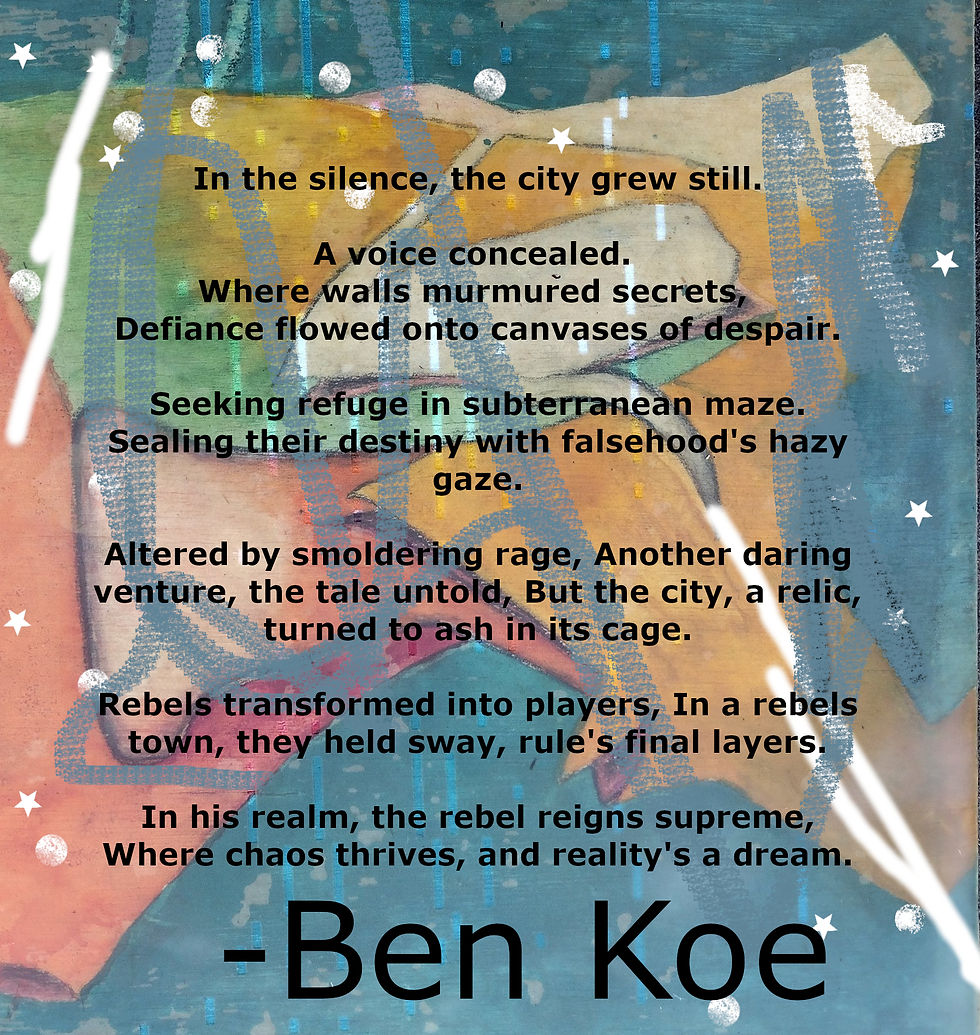
The revolutionaries turned conservators, rooted in the world they've woven, now bask in the warmth of their tepid liberal rule. The architects of Bisbee's modern odyssey, they guard their creation, craving its permanence. Unmistakably, the proclamation resounds—fold your freak flags, toss them to the bonfire. The contented lot has accomplished their mission. In Bisbee's realm, subversion is superfluous, for can't you see? The subversives hold the reins.
And yet, even as this saga unfolds, hidden in the alleyways' gravelly secrets, a revolutionary spirit still dances, mocking this new moderation, urging us to voyage ever further left, into the uncharted waters of radical communal cooperation—a voyage forsaken by the aged rebels, abandoned for the comfort they now clutch.
This is not to say that all of Bisbee’s elder shapers have quenched their flame of dissent. A few tortured freaks remain, grumbling quietly at the hippie-to-moderate machine that infected their once vibrant culture of resistance. To them, I give a fond salute. To the rest;
Step aside, venerable dinosaurs, and crane your necks skyward one last time. Behold the meteor's descent.



Comments